

Download Form
"*" indicates required fields
How do you convert a national high-pressure gas network to hydrogen safely, efficiently, and in line with modern standards?
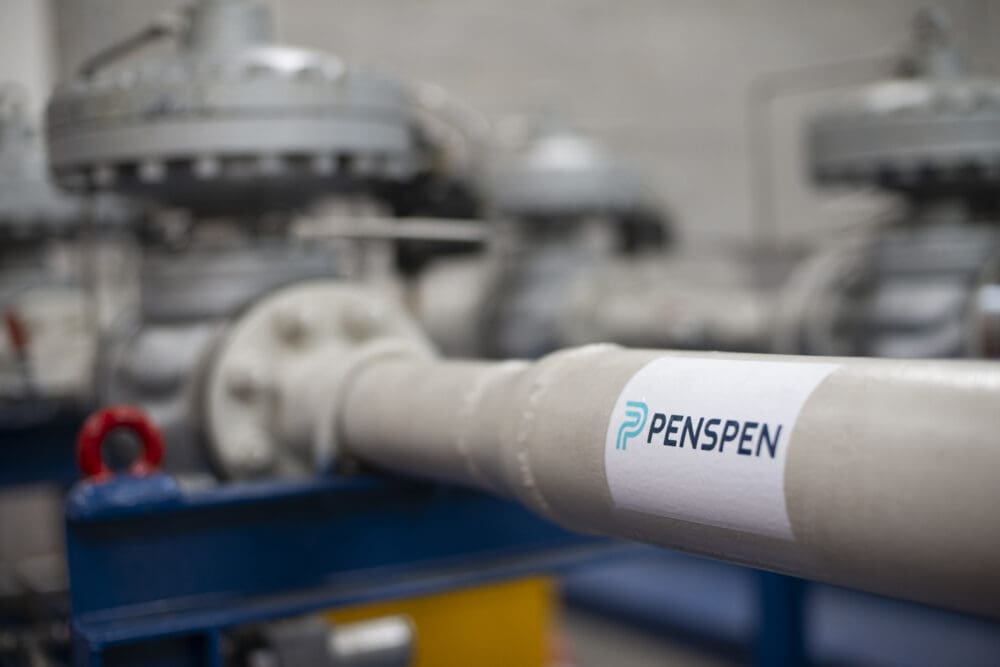
In a new technical article, Penspen’s Tristan Huet and Nigel Curson, alognside João Lemos Pinto — Head of Gas Engineering, REN-Gasodutos, S.A. address the addresses the complex task of transitioning Portugal’s 1,375 km high-pressure natural gas transmission system to accommodate hydrogen, starting with a 10% blend and ultimately progressing to 100% hydrogen service.
Using the ASME B31.12-2019 methodology and backed by insights from Penspen’s repurposing work with REN and current European research, the paper outlines a practical, actionable roadmap for network conversion. This includes detailed assessments of materials compatibility, operational envelope redefinition, component-level evaluations, and updated testing and maintenance strategies.
Complete the form to access the full technical article and discover how Portugal is preparing its gas infrastructure for a cleaner energy future.
Related Insights

Artificial Intelligence in Pipeline Integrity: What the Evidence Actually Says
Where can AI be trusted in pipeline integrity management? In the August issue of World Pipelines, Penspen digital experts explore the evidence from Penspen’s evaluation of Aura, an AI-based...

From Chokepoints to Corridors: Why Energy Security Now Depends on Infrastructure Resilience
In the 31st issue of Dar Magazine, Nigel Curson, EVP of Technical Excellence, explores why resilient infrastructure will play a defining role in Africa's long-term energy security and economic...
Industry Report – Capability Gap Analysis for Newbuild Offshore CO2 Pipeline Transportation Systems
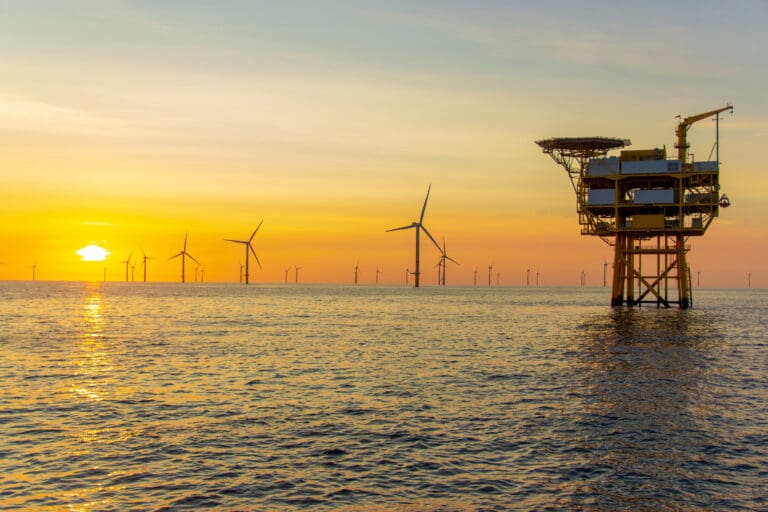
Penspen's new report, commissioned by the North Sea Transition Authority, examines the challenges posed by transporting carbon dioxide through newbuild offshore pipelines, and addresses the steps...
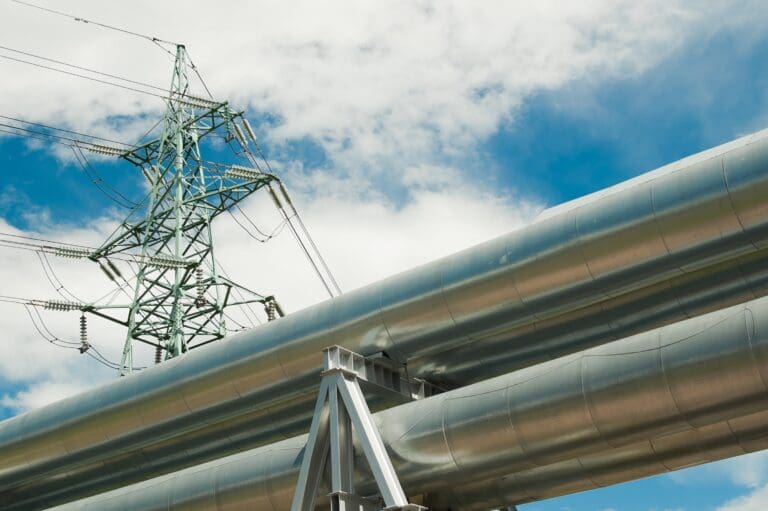
Managing Electrical Interferences in Pipelines – A Practical and Cost-Effective Approach
The rapid expansion of AC/DC transmission networks, electrified transportation systems and pipeline infrastructure has increased the spatial overlap among these...