

Is your organisation looking to optimise the transport of captured CO2 from industrial sources? Discover how addressing the unique challenges of anthropogenic CO2 can transform your approach.
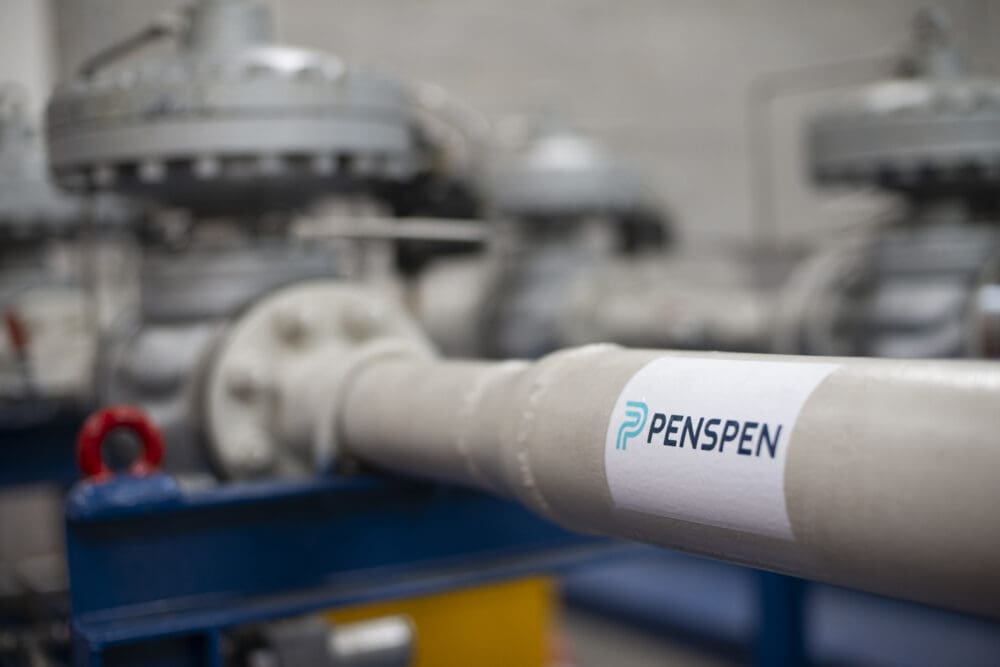
In the latest issue of Dar Magazine, Senior Energy Transition Consultant at Penspen, explores the intricacies of transporting anthropogenic CO2 – carbon dioxide emissions produced by human activities – for carbon capture, utilisation, and storage (CCUS). The article delves into the significant differences between natural and anthropogenic CO2, highlighting the challenges posed by contaminants in industrial CO2 streams. He also provides essential design considerations for CO2 pipelines, tackling issues such as hydrate formation, acid and salt formation, and material compatibility.
Read the full article on page 30 and gain valuable insights into effectively managing CO2 transport challenges and ensuring the integrity of your energy infrastructure.
View ArticleRelated Insights
Subject Matter Expert Evaluation of Pipeline Integrity Trained, Agentic Artificial Intelligence Based Technical Advisory System
As artificial intelligence tools, particularly large language models (LLMs), continue to evolve, their potential for supporting technically complex domains such as pipeline integrity management is...
Artificial Intelligence in Pipeline Integrity: What the Evidence Actually Says
Where can AI be trusted in pipeline integrity management? In the August issue of World Pipelines, Penspen digital experts explore the evidence from Penspen’s evaluation of Aura, an AI-based...
From Chokepoints to Corridors: Why Energy Security Now Depends on Infrastructure Resilience
In the 31st issue of Dar Magazine, Nigel Curson, EVP of Technical Excellence, explores why resilient infrastructure will play a defining role in Africa's long-term energy security and economic...
Industry Report – Capability Gap Analysis for Newbuild Offshore CO2 Pipeline Transportation Systems
Penspen's new report, commissioned by the North Sea Transition Authority, examines the challenges posed by transporting carbon dioxide through newbuild offshore pipelines, and addresses the steps...