

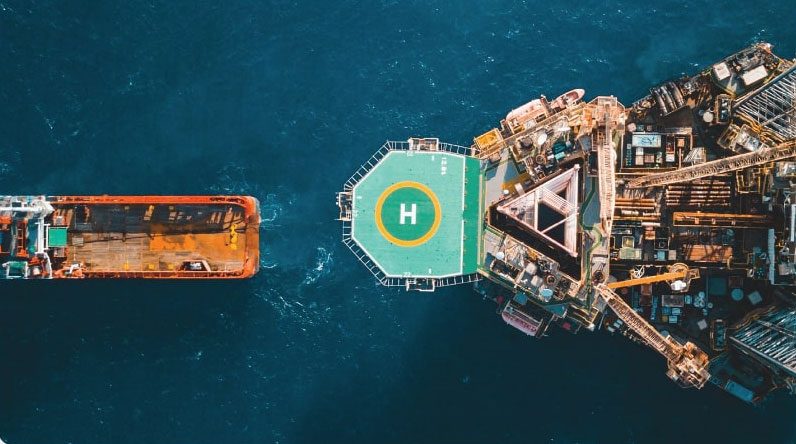

The decision by the EU to label natural gas as a ‘transitional fuel’ en route to a net zero emissions target has opened up a key opportunity for African producers to take up the slack of, the now banned, Russian gas that provided around 30% of EU supplies. The European Parliament, in response to the energy crisis, also now considers new investments in gas as ‘climate friendly’ — a change of heart that is already proving an area of investment interest for European banks and other financiers.
Africa currently provides around 20% of Europe’s gas imports. It’s a percentage that’s likely to increase considerably with natural gas delivered directly to the EU via pipeline and LNG transported by ship from now until 2050.
In the October edition of World Pipelines Magazine, Penspen’s Arun Behl and John Downer provide insight on the current energy landscape in Africa and Europe, and the key considerations for African producers when delivering oil and gas resources to the European market.
View ArticleRelated Insights

Subject Matter Expert Evaluation of Pipeline Integrity Trained, Agentic Artificial Intelligence Based Technical Advisory System
As artificial intelligence tools, particularly large language models (LLMs), continue to evolve, their potential for supporting technically complex domains such as pipeline integrity management is...
Artificial Intelligence in Pipeline Integrity: What the Evidence Actually Says
Where can AI be trusted in pipeline integrity management? In the August issue of World Pipelines, Penspen digital experts explore the evidence from Penspen’s evaluation of Aura, an AI-based...
From Chokepoints to Corridors: Why Energy Security Now Depends on Infrastructure Resilience
In the 31st issue of Dar Magazine, Nigel Curson, EVP of Technical Excellence, explores why resilient infrastructure will play a defining role in Africa's long-term energy security and economic...
Industry Report – Capability Gap Analysis for Newbuild Offshore CO2 Pipeline Transportation Systems
Penspen's new report, commissioned by the North Sea Transition Authority, examines the challenges posed by transporting carbon dioxide through newbuild offshore pipelines, and addresses the steps...