

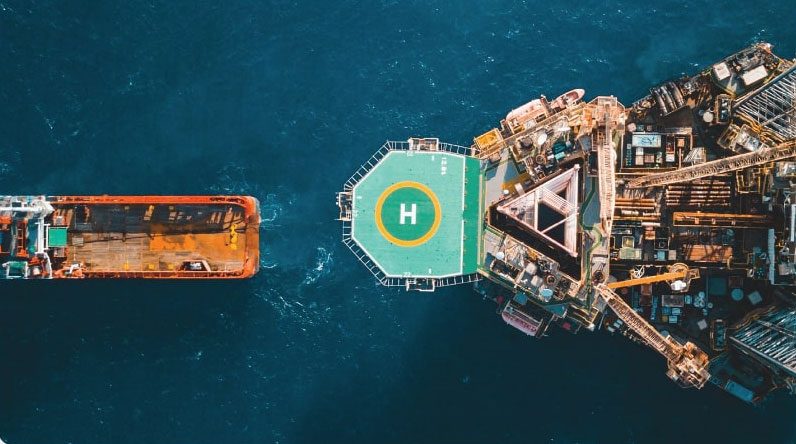

Hydrogen is a key solution for decarbonising heavy industry and transport in the MENA region, yet challenges remain due to high production and transportation costs. While pipelines offer a cost-effective option for localised hydrogen transport, marine shipping methods such as ammonia and liquefied hydrogen involve higher expenses.
In our latest technical article, Bilal Hassan, Senior Energy Transition Consultant – East Region at Penspen, provides an in-depth analysis of these hydrogen transportation methods. He explores their cost implications and examines how technological advancements could improve hydrogen’s viability. Download the article now to gain valuable insights from Penspen and learn how to address these challenges and advance your hydrogen strategies in the MENA region.
Download PaperRelated Insights
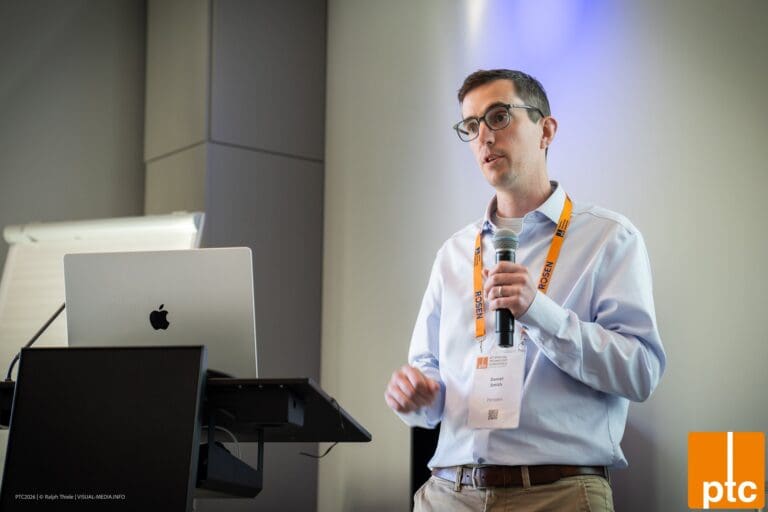
Subject Matter Expert Evaluation of Pipeline Integrity Trained, Agentic Artificial Intelligence Based Technical Advisory System
As artificial intelligence tools, particularly large language models (LLMs), continue to evolve, their potential for supporting technically complex domains such as pipeline integrity management is...
Artificial Intelligence in Pipeline Integrity: What the Evidence Actually Says
Where can AI be trusted in pipeline integrity management? In the August issue of World Pipelines, Penspen digital experts explore the evidence from Penspen’s evaluation of Aura, an AI-based...

From Chokepoints to Corridors: Why Energy Security Now Depends on Infrastructure Resilience
In the 31st issue of Dar Magazine, Nigel Curson, EVP of Technical Excellence, explores why resilient infrastructure will play a defining role in Africa's long-term energy security and economic...
Industry Report – Capability Gap Analysis for Newbuild Offshore CO2 Pipeline Transportation Systems
Penspen's new report, commissioned by the North Sea Transition Authority, examines the challenges posed by transporting carbon dioxide through newbuild offshore pipelines, and addresses the steps...