


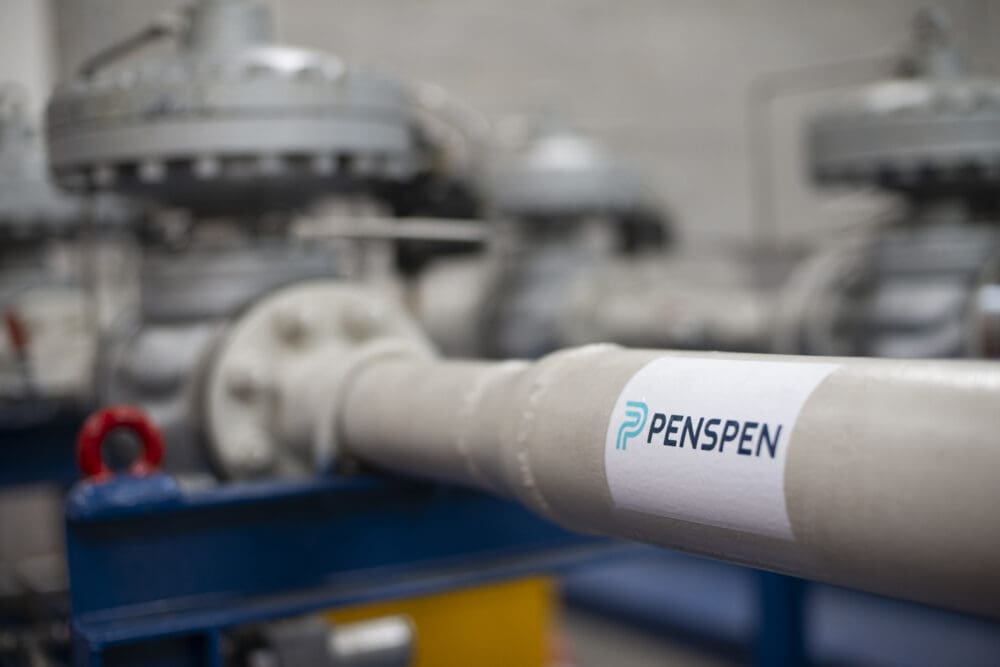

The decision by the EU to label natural gas as a ‘transitional fuel’ en route to a net zero emissions target has opened up a key opportunity for African producers to take up the slack of, the now banned, Russian gas that provided around 30% of EU supplies. The European Parliament, in response to the energy crisis, also now considers new investments in gas as ‘climate friendly’ — a change of heart that is already proving an area of investment interest for European banks and other financiers.
Africa currently provides around 20% of Europe’s gas imports. It’s a percentage that’s likely to increase considerably with natural gas delivered directly to the EU via pipeline and LNG transported by ship from now until 2050.
In the October edition of World Pipelines Magazine, Penspen’s Arun Behl and John Downer provide insight on the current energy landscape in Africa and Europe, and the key considerations for African producers when delivering oil and gas resources to the European market.
View ArticleRelated Insights
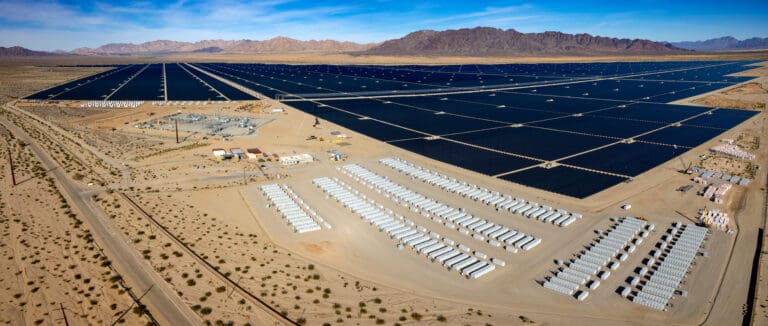
Mitigating Intermittency: Practical Strategies for Green Ammonia Production in Off-Grid Environments
In our latest insight, Penspen’s Nigel Curson explores practical strategies for designing off-grid green ammonia facilities, from renewable hybridisation and energy storage to system optimisation...
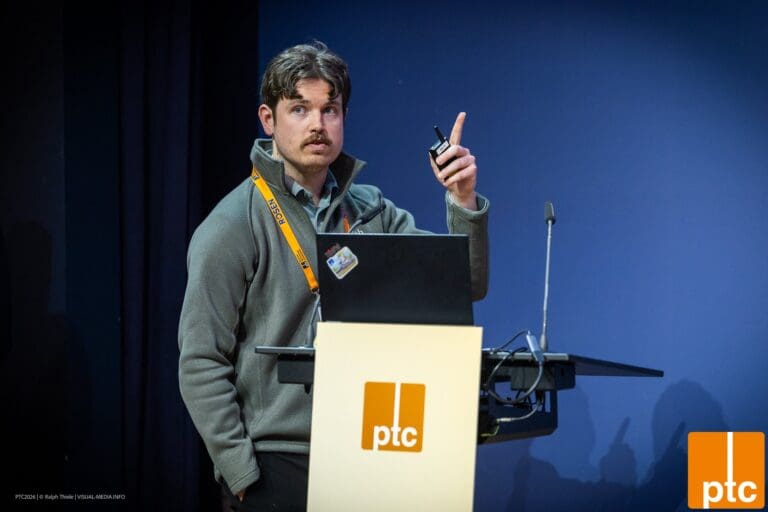
A Pragmatic Framework for Prioritising Hydrogen Repurposing Actions in Complex Pipeline Systems
Presented for the first time at the 2026 Pipeline Technology Conference, our latest technical insight introduces a practical, risk-informed framework for prioritising hydrogen repurposing actions...

From Academia to Industry: Ronald’s Journey into Pipeline Integrity Excellence
Based in Bogota, Colombia, a life-long fascination with mathematics has driven Ronald to pursue a career where data is crucial for the safe operations of energy...
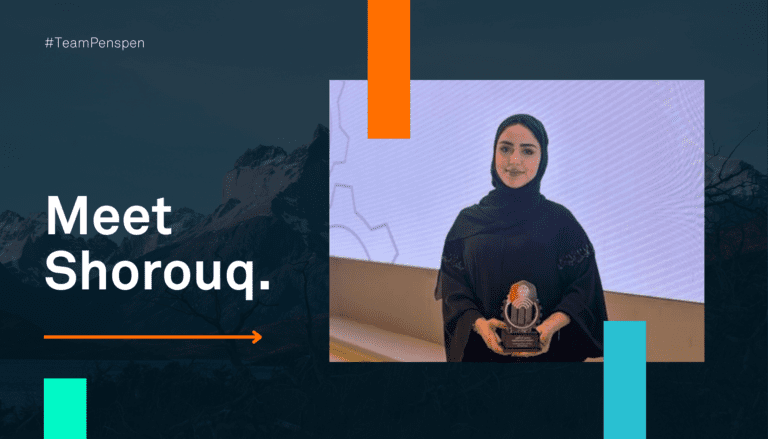
Learning, Growing, and Contributing to UAE’s Energy Future: Our People – Shorouq
From academic excellence to real-world impact, Shorouq is building her engineering career through Penspen’s Emirati Graduate...